 Batteries



 Power supplies

 UPS (Uninterruptible power supply)


 Electric car chargers


 Solar panel systems
 Chargers

 Power Inverters



 Cables



|
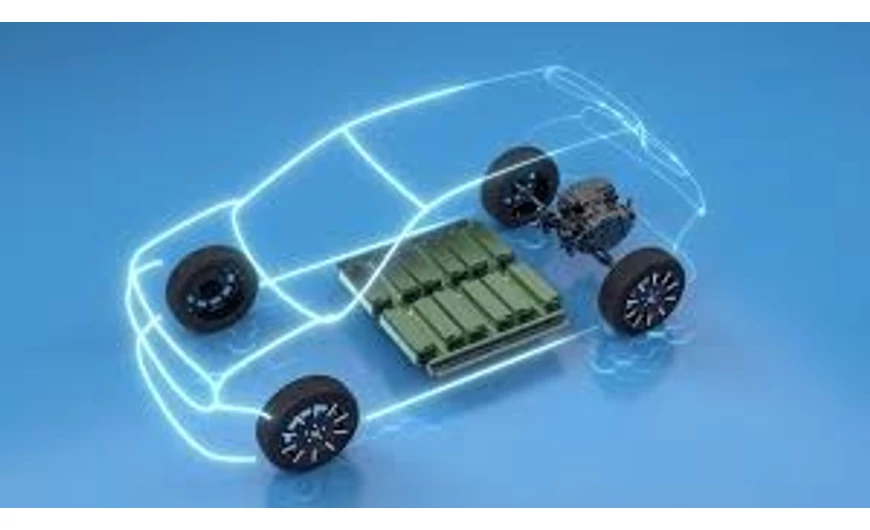
Electric Car Battery Types: There Are Major Differences |
Although many models may look similar from the outside, beneath the bodywork very different solutions are at work. Their level of development and characteristics result in significant differences in everyday use. The current electric vehicle market is clearly dominated by lithium-ion–based batteries.
This is primarily due to the favorable ratio between energy density and weight, which allows for acceptable driving range even with relatively compact dimensions. With the help of various electric car accessories, everyday use can be made even more convenient.
Lithium-ion batteries are capable of fast charging, tolerate daily use well, and—when combined with proper thermal management—offer a long service life. There are several different compositions, which react differently to load, temperature, and the passage of time. Manufacturers continuously optimize these batteries to reduce the need for rare raw materials while increasing safety and performance.
One of the biggest challenges of lithium-ion technology remains its sensitivity to heat, which—without adequate protection—can lead to reduced performance or even damage. Nevertheless, this solution currently represents the industry standard on which most mass-produced electric cars are based. Charging can be easily handled using a Qoltec electric car charger.

|
|
What Alternative Solutions Are Available? |
Among electric car battery types, alternatives to lithium-ion batteries have emerged that are based on different chemical compositions and offer distinct advantages. These include systems where the focus is not on maximum driving range, but rather on stability, long service life, or cost efficiency.
Some solutions are less sensitive to temperature fluctuations, making them better suited to extreme weather conditions, while others age more slowly—an especially important factor for fleet vehicles or urban use.
These alternative batteries often have lower energy density, which can result in greater weight or reduced range. In return, however, they offer simpler manufacturing processes and more favorable pricing. The clear goal of ongoing developments is to ensure that electric vehicles are competitive in every respect, making them economically accessible to a broader audience. The use of different battery types allows manufacturers to tailor their models to various usage needs.
|
|
What Does the Future Hold? |
The future of electric vehicles is largely determined by the pace at which battery technology continues to evolve. Research increasingly points toward solutions that promise higher energy density, faster charging, and longer lifespan. In our webshop’s range, all necessary accessories are available.