 Batteries



 Power supplies

 UPS (Uninterruptible power supply)


 Electric car chargers

 Solar panel systems
 Chargers

 Power Inverters



 Cables

|
Components of a Solar Power System |
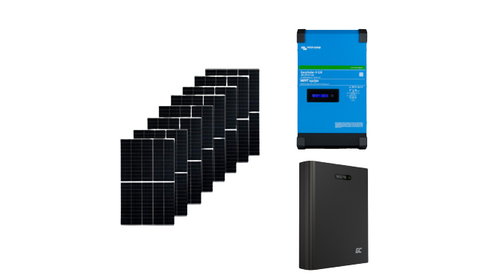
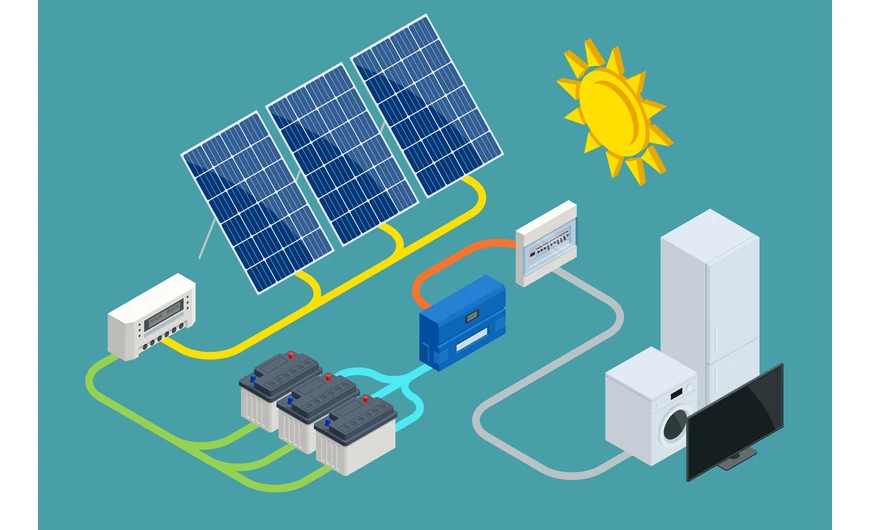
From the outside, such a system may seem simple, but behind it lies a complex and precisely coordinated technical solution. The story begins on the roof, where the photovoltaic modules are installed. These panels are made of special semiconductor materials and generate electricity when exposed to sunlight. Their operation is based on the photovoltaic effect, during which light energy initiates electron movement within the material, producing direct current (DC). To the untrained eye, all modules may appear similar, but there can be significant differences in performance, efficiency, and lifespan within solar power systems.
Proper mounting is just as important. The supporting structure ensures that the units remain stable and withstand weather conditions, whether it is strong wind, snow load, or summer heat. The correct tilt angle and orientation are key factors, as they determine how much sunlight reaches the surface throughout the year. Poor positioning can result in noticeable performance loss, so the planning phase requires special attention.
However, the energy produced by the modules installed on the roof is not yet suitable for directly powering household appliances. Home devices operate on alternating current (AC), so a central unit is needed to convert the generated direct current. The heart of the system is the inverter, which transforms the energy produced by the panels. This device enables the generated electricity to be used directly within the household electrical network. The inverter continuously monitors production and grid parameters, optimizes operation, and, if necessary, can shut down the system for safety reasons.

|
|
Modern accessories are also available |
The structure of a solar power system does not end here, of course. High-quality charge controllers, for example, are capable of intelligently managing solar energy. Protective devices must not be overlooked either. These include surge protection solutions, fuses, and disconnect switches, which ensure safe operation during maintenance or troubleshooting.
Once all this is in place, we can turn to energy usage and storage. If production exceeds current demand, the surplus can be fed into the central grid, provided the system is capable of feeding electricity back. This process is monitored by a bidirectional meter, which separately measures the amount of electricity consumed from and supplied to the grid.
In recent years, more and more people have chosen to add energy storage to their systems. A battery allows electricity generated during the day but not immediately used to be utilized later, for example in the evening hours. This increases the ratio of self-production and self-consumption, reduces dependence on the grid, and in certain cases can provide basic power supply during a blackout.
|
|
A Complex Infrastructure |
A solar power system is built from several interconnected components. Each of them is essential to ensure that the completed installation operates smoothly and efficiently, allowing you to take full advantage of all the benefits of solar energy. In our online store’s selection, you can easily find the necessary equipment and accessories.