 Batteries



 Power supplies

 UPS (Uninterruptible power supply)


 Electric car chargers


 Solar panel systems
 Chargers

 Power Inverters



 Cables


|
Home electric vehicle charging does not start with a socket. |
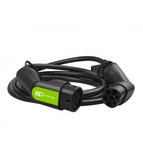
Many people initially begin charging their vehicle’s battery through a standard household outlet. While this is technically feasible, it involves compromises in the long run. In addition to the slow charging speed, the load on the electrical network is also a significant factor, especially in older buildings. This is where the need for dedicated charging equipment and electric vehicle accessories becomes justified.
Wall-mounted chargers provide faster energy transfer and can adapt to the electrical network of the property. Modern solutions take current consumption into account, helping to avoid overload. Thanks to intelligent control, charging can even be scheduled, allowing users to take advantage of lower tariff periods.
One of the biggest advantages of home charging is predictability. The pricing of public charging networks is often variable, while household electricity costs are more stable and easier to plan. At the same time, overall costs also depend on the efficiency of the charging process.
A properly designed system can reduce energy loss and optimize charging cycles. Households that also operate solar systems can gain additional benefits, as self-generated energy can be used directly to charge the vehicle. This represents a significant step toward sustainability. Of course, the choice of charging device also matters. One popular option is the Besen SQ20-11KW-APP, which is ideal for both private homes and professional applications.

|
|
The future is built within the walls of the home |
Home electric vehicle charging is not an isolated technological solution, but rather part of a larger system. With the development of smart home systems, increasingly integrated operation can be observed, where the car, household appliances, and energy storage solutions work together. This kind of synchronization opens up new opportunities in terms of efficiency and convenience.
In the future, the boundary between transportation and energy supply is expected to become even more blurred. Electric vehicle batteries may even function as temporary energy storage units, feeding electricity back into the household. Although this technology is not yet widely adopted, the direction is clear. Mobility and home infrastructure are becoming more closely connected.
Home electric vehicle charging is much more than just a convenience feature. It is part of a transformation that is changing energy usage and everyday transportation. In the comfort of the garage, during the night while we sleep, the vehicle can “refuel” so that in the morning we can start the day with a fully charged battery.
|
|
A fully green operation is also achievable |
When combined with a solar power system, not only energy consumption but also energy production can be completely environmentally friendly. Our webshop offers everything needed for this.